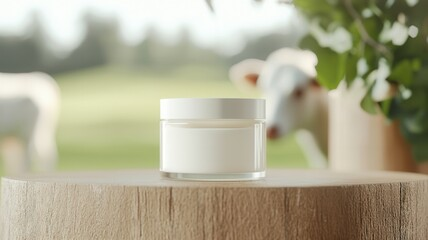
For those who want to eliminate synthetic ingredients from their skincare routines, tallow is an easy-to-find and effective solution. Many tallow products contain other natural ingredients like grass-fed coconut oil for extra moisture, organic essential oils for scent, and jojoba oil that closely mimics your skin’s own sebum. It’s important to look for tallow that has been rendered using low temperatures so it retains the most beneficial nutrients. It may also help to make the switch slowly.
What is Tallow?
Beef Tallow for Skin is rendered fat from cattle. It has a high smoke point, meaning it can withstand very high temperatures and is used for frying, roasting and searing foods. Tallow has a mild beef flavor and is commonly used in cooking, as a base for home-goods like soap and candles, and as a skin moisturizer.
Proponents of tallow claim it has anti-inflammatory properties and is full of fat-soluble vitamins like A, D and E that help promote skin health. However, the American Heart Association still warns against saturated fats and recommends using plant-based oils with lower omega-6 and omega-3 fatty acids instead of tallow or other animal fats.
Because of its low-cost and high heat tolerance, tallow has many uses as a cooking oil. It can be used to make crispy chips or roasted vegetables, and it gives meats a delicious, rich flavor. It’s also often brushed on brisket during the smoking process to create a crisp bark and help it stay moist.
The fat is solid at room temperature but melts when exposed to heat, similar to butter or lard. It has a neutral scent and is shelf-stable, making it a good option for savory recipes, such as pies or biscuits. It’s also a key ingredient in cast iron skillets, as it helps them retain their seasoning and nonstick qualities for longer.
Tallow is popular in keto and paleo diets because it’s an excellent source of the anti-inflammatory conjugated linoleic acid (CLA). It’s also a more natural alternative to industrial seed oils, which are typically high in omega-6 fatty acids and can increase inflammation in the body.
It’s possible to find pure rendered tallow at some grocery stores and specialty markets, but it’s less common than other cooking oils. It’s important to check the label to make sure it isn’t blended with other types of fat, such as lard or industrial seed oils. If you do purchase tallow, be sure it comes from grass-fed animals. Grass-fed tallow has higher levels of the fat-soluble vitamins mentioned earlier, which may offer additional skincare benefits.
How Does Tallow Moisturize?
Beef tallow is an animal fat that has gained popularity as a skin care ingredient due to its high amount of vitamins and fatty acids. It has been found to hydrate skin and protect it from damage. However, more research is needed to confirm these findings.
Tallow has a high smoke point, meaning it can withstand high heats without breaking down or creating toxic byproducts. This makes it a good choice for frying and sauteing foods. It also has a subtle and savory flavor that works well with dishes like fried potatoes or meaty stews. Tallow is a staple in many gourmet kitchens, but it can also be used for cooking at home.
When it comes to skincare, tallow is said to mimic the oils of the skin, making it a popular choice for people who want to avoid harsh chemicals in their lotions and creams. It is also often touted as a natural cure for skin conditions, including psoriasis and dermatitis. It has also been found to help treat dry and flaky skin caused by cold weather or certain medications.
In a study conducted on mice, tallow was found to be effective at crossing the skin barrier and moisturizing deeper layers of the skin. It was also found to be more effective than vegetable tallow in stimulating a response from the immune system. However, more research is needed to confirm the effectiveness of tallow as a skin care ingredient.
If you do decide to use tallow as a moisturizer, be sure to buy quality products from reputable brands that are transparent about their sourcing. Choose options that are free of additives and made from grass-fed tallow for the best results. Also, be aware that using tallow can cause acne if your skin is sensitive or prone to breakouts. If you do experience a breakout, discontinue use immediately. If the irritation persists, consult a dermatologist for additional treatment options. They may recommend a different product or prescribe an oral medication to help clear your skin.
Does Tallow Trigger Acne?
In its pure form, beef tallow does not clog pores or cause breakouts. In fact, because it mimics the skin’s natural oils and keeps oil production in balance, tallow can actually help fight acne. However, it’s important to choose high-quality tallow that’s free from fillers and additives that could trigger irritation.
Another thing to consider is the origin of your tallow. If your tallow isn’t from grass-fed cows, it may have been processed and stored improperly. This can result in contamination or spoilage, which may lead to pore congestion and inflammation.
Tallow contains both saturated and monounsaturated fats, as well as the omega-6 fatty acid conjugated linoleic acid (CLA). These fats are believed to provide some health benefits, such as reducing plaque buildup in the arteries and supporting bone health.
It also has a high smoke point, which makes it safe for high-heat cooking methods like frying and searing. This allows you to get a crispier texture in your food while still maintaining the nutrition of the meal.
Beef tallow is often recommended for sensitive and acne-prone skin. It’s non-comedogenic and packed with skin-loving lipids that deeply hydrate without irritating the skin. When choosing a tallow moisturizer, make sure to avoid whipped tallow, which is usually a sign of low quality and can introduce bacteria and mold into the product. Instead, opt for dry-rendered tallow that’s guaranteed to be pure and free from harmful additives.
If you have oily skin, you might be hesitant to use tallow because it can make the skin feel greasy. However, high-quality tallow is less likely to cause a greasy effect because it doesn’t absorb too quickly into the skin. In addition, tallow can actually help fight excess sebum production by keeping it in balance.
That being said, it’s essential to test any skincare ingredients on your skin to see how they react. If you’re unsure of how to incorporate tallow into your routine, it’s best to consult with a board-certified dermatologist to find research-backed solutions that will address your specific concerns. This will help you create a balanced regimen that’s right for your skin type and sensitivity.
Is Tallow Safe?
Despite its old-world charm and back-to-basics approach to skincare, tallow is not without risks. Its instability and limited clinical research make it less appealing than other moisturizing ingredients, such as ceramides. It can also irritate the skin, especially when used in high concentrations. Tallow has been shown to cause severe eye damage in rabbits. In addition, it may contain bacterial or fungal toxins that can accumulate over time.
Tallow has a pungent smell that can be off-putting, and it goes rancid quickly. It can also leave a greasy residue, which could clog pores and increase the likelihood of breakouts. It may even contribute to acne by interfering with the production of ceramides in the skin. Tallow does not have a natural barrier, so it can allow bacteria, dirt and other environmental contaminants to enter the skin and cause irritation.
The good news is that tallow does not appear to cause any major side effects when it is used in small doses and on healthy skin. However, there is a risk that it can trigger acne and clog pores, particularly in those with sensitive skin. It can also dry out the skin, so it is not recommended for those with oily or acne-prone complexions.
It is important to choose a tallow-based product that is from grass-fed, organically raised cattle. Otherwise, it might contain toxic heavy metals and pesticides from the feed, which can transfer to the skin. In addition, tallow is comedogenic and occlusive, so it can block the skin’s surface, which can lead to itchiness, redness and breakouts.
It’s worth noting that tallow isn’t as well studied as more traditional plant-based oils, so it’s unlikely to offer any additional benefits other than boosting the production of ceramides in the complexion. In the meantime, dermatologists recommend using a more stable, clinically proven moisturizer that’s formulated with non-comedogenic and occlusive ingredients. If you want to try a natural option, try this product from VanMan, which features 100% Grassfed Tallow, Honey, Beeswax, Olive Oil and an Essential Oil blend. It is a little more expensive than other commercial products, but it is a high-quality balm that is ethically produced.