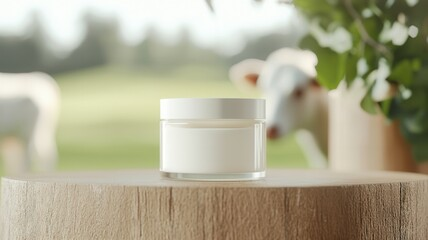
Beef Tallow Skincare

Beef Tallow vs. Commercial Moisturizers – Which Is Better For Your Skin?

Beef Tallow for Skin

For those who want to eliminate synthetic ingredients from their skincare routines, tallow is an easy-to-find and effective solution. Many tallow products contain other natural ingredients like grass-fed coconut oil for extra moisture, organic essential oils for scent, and jojoba oil that closely mimics your skin’s own sebum. It’s important to look for tallow that has been rendered using low temperatures so it retains the most beneficial nutrients. It may also help to make the switch slowly.

What is Tallow?

Beef Tallow for Skin is rendered fat from cattle. It has a high smoke point, meaning it can withstand very high temperatures and is used for frying, roasting and searing foods. Tallow has a mild beef flavor and is commonly used in cooking, as a base for home-goods like soap and candles, and as a skin moisturizer.

Proponents of tallow claim it has anti-inflammatory properties and is full of fat-soluble vitamins like A, D and E that help promote skin health. However, the American Heart Association still warns against saturated fats and recommends using plant-based oils with lower omega-6 and omega-3 fatty acids instead of tallow or other animal fats.

Because of its low-cost and high heat tolerance, tallow has many uses as a cooking oil. It can be used to make crispy chips or roasted vegetables, and it gives meats a delicious, rich flavor. It’s also often brushed on brisket during the smoking process to create a crisp bark and help it stay moist.

The fat is solid at room temperature but melts when exposed to heat, similar to butter or lard. It has a neutral scent and is shelf-stable, making it a good option for savory recipes, such as pies or biscuits. It’s also a key ingredient in cast iron skillets, as it helps them retain their seasoning and nonstick qualities for longer.

Tallow is popular in keto and paleo diets because it’s an excellent source of the anti-inflammatory conjugated linoleic acid (CLA). It’s also a more natural alternative to industrial seed oils, which are typically high in omega-6 fatty acids and can increase inflammation in the body.

It’s possible to find pure rendered tallow at some grocery stores and specialty markets, but it’s less common than other cooking oils. It’s important to check the label to make sure it isn’t blended with other types of fat, such as lard or industrial seed oils. If you do purchase tallow, be sure it comes from grass-fed animals. Grass-fed tallow has higher levels of the fat-soluble vitamins mentioned earlier, which may offer additional skincare benefits.

How Does Tallow Moisturize?

Beef tallow is an animal fat that has gained popularity as a skin care ingredient due to its high amount of vitamins and fatty acids. It has been found to hydrate skin and protect it from damage. However, more research is needed to confirm these findings.

Tallow has a high smoke point, meaning it can withstand high heats without breaking down or creating toxic byproducts. This makes it a good choice for frying and sauteing foods. It also has a subtle and savory flavor that works well with dishes like fried potatoes or meaty stews. Tallow is a staple in many gourmet kitchens, but it can also be used for cooking at home.

When it comes to skincare, tallow is said to mimic the oils of the skin, making it a popular choice for people who want to avoid harsh chemicals in their lotions and creams. It is also often touted as a natural cure for skin conditions, including psoriasis and dermatitis. It has also been found to help treat dry and flaky skin caused by cold weather or certain medications.

In a study conducted on mice, tallow was found to be effective at crossing the skin barrier and moisturizing deeper layers of the skin. It was also found to be more effective than vegetable tallow in stimulating a response from the immune system. However, more research is needed to confirm the effectiveness of tallow as a skin care ingredient.

If you do decide to use tallow as a moisturizer, be sure to buy quality products from reputable brands that are transparent about their sourcing. Choose options that are free of additives and made from grass-fed tallow for the best results. Also, be aware that using tallow can cause acne if your skin is sensitive or prone to breakouts. If you do experience a breakout, discontinue use immediately. If the irritation persists, consult a dermatologist for additional treatment options. They may recommend a different product or prescribe an oral medication to help clear your skin.

Does Tallow Trigger Acne?

In its pure form, beef tallow does not clog pores or cause breakouts. In fact, because it mimics the skin’s natural oils and keeps oil production in balance, tallow can actually help fight acne. However, it’s important to choose high-quality tallow that’s free from fillers and additives that could trigger irritation.

Another thing to consider is the origin of your tallow. If your tallow isn’t from grass-fed cows, it may have been processed and stored improperly. This can result in contamination or spoilage, which may lead to pore congestion and inflammation.

Tallow contains both saturated and monounsaturated fats, as well as the omega-6 fatty acid conjugated linoleic acid (CLA). These fats are believed to provide some health benefits, such as reducing plaque buildup in the arteries and supporting bone health.

It also has a high smoke point, which makes it safe for high-heat cooking methods like frying and searing. This allows you to get a crispier texture in your food while still maintaining the nutrition of the meal.

Beef tallow is often recommended for sensitive and acne-prone skin. It’s non-comedogenic and packed with skin-loving lipids that deeply hydrate without irritating the skin. When choosing a tallow moisturizer, make sure to avoid whipped tallow, which is usually a sign of low quality and can introduce bacteria and mold into the product. Instead, opt for dry-rendered tallow that’s guaranteed to be pure and free from harmful additives.

If you have oily skin, you might be hesitant to use tallow because it can make the skin feel greasy. However, high-quality tallow is less likely to cause a greasy effect because it doesn’t absorb too quickly into the skin. In addition, tallow can actually help fight excess sebum production by keeping it in balance.

That being said, it’s essential to test any skincare ingredients on your skin to see how they react. If you’re unsure of how to incorporate tallow into your routine, it’s best to consult with a board-certified dermatologist to find research-backed solutions that will address your specific concerns. This will help you create a balanced regimen that’s right for your skin type and sensitivity.

Is Tallow Safe?

Despite its old-world charm and back-to-basics approach to skincare, tallow is not without risks. Its instability and limited clinical research make it less appealing than other moisturizing ingredients, such as ceramides. It can also irritate the skin, especially when used in high concentrations. Tallow has been shown to cause severe eye damage in rabbits. In addition, it may contain bacterial or fungal toxins that can accumulate over time.

Tallow has a pungent smell that can be off-putting, and it goes rancid quickly. It can also leave a greasy residue, which could clog pores and increase the likelihood of breakouts. It may even contribute to acne by interfering with the production of ceramides in the skin. Tallow does not have a natural barrier, so it can allow bacteria, dirt and other environmental contaminants to enter the skin and cause irritation.

The good news is that tallow does not appear to cause any major side effects when it is used in small doses and on healthy skin. However, there is a risk that it can trigger acne and clog pores, particularly in those with sensitive skin. It can also dry out the skin, so it is not recommended for those with oily or acne-prone complexions.

It is important to choose a tallow-based product that is from grass-fed, organically raised cattle. Otherwise, it might contain toxic heavy metals and pesticides from the feed, which can transfer to the skin. In addition, tallow is comedogenic and occlusive, so it can block the skin’s surface, which can lead to itchiness, redness and breakouts.

It’s worth noting that tallow isn’t as well studied as more traditional plant-based oils, so it’s unlikely to offer any additional benefits other than boosting the production of ceramides in the complexion. In the meantime, dermatologists recommend using a more stable, clinically proven moisturizer that’s formulated with non-comedogenic and occlusive ingredients. If you want to try a natural option, try this product from VanMan, which features 100% Grassfed Tallow, Honey, Beeswax, Olive Oil and an Essential Oil blend. It is a little more expensive than other commercial products, but it is a high-quality balm that is ethically produced.


Chiropractor

Chiropractic Adjustments – Are They Safe and Effective?

Bentonville Chiropractor

Bentonville Chiropractor adjustments are a type of manipulation used to realign joints and reduce pain. They also promote a healthy lifestyle and overall wellness.

Despite some common myths, chiropractic is one of the safest treatment options for pain and musculoskeletal conditions. It has a lower risk of serious complications than surgery or prescription drugs.

Safety

Many people seek chiropractic care to alleviate pain, improve their overall health and well-being and reduce the need for medications or invasive medical procedures. Unlike many other medical and wellness treatments, chiropractic adjustments are non-invasive, drug-free and safe for the vast majority of patients. Despite these benefits, many patients are concerned about potential side effects from spinal manipulations. This is especially true for first-time patients, who may experience some discomfort or changes in their body during or after an adjustment. Whether you’re a new or seasoned chiropractic patient, here are some common questions and answers to help you understand how these adjustments affect the body.

While it’s common for some people to feel “weird” after a spinal adjustment, these sensations are typically temporary and pass as the spine adapts to its newly aligned position. You might also notice that your pain level decreases after a few visits to the chiropractor, as the muscles, ligaments and other soft tissue begin to heal. If you experience this retracing, it’s a good sign because it means your body is responding to the treatment and moving from discomfort to toxic relief.

Some researchers have even found that chiropractic adjustments boost the immune system. This is because spinal misalignments can interrupt the nervous system’s ability to send important messages between the brain and other organs, including the immune system, to keep it healthy and fighting off germs. Regular chiropractic adjustments can restore proper function to the nerves, and boost your body’s natural defense mechanisms.

In addition, chiropractors can recommend nutritional supplements and dietary changes to help maintain optimal nervous and immune system health. These recommendations can prevent future misalignments and disease, and support your body’s ability to fight infections when they do occur.

The holistic nature of chiropractic care can also improve your quality of sleep. Studies have shown that when the body is in alignment, it’s more capable of relaxing and sleeping restfully at night. This can lower stress levels, which helps the body’s immune system to stay strong. The end result is a happier, healthier lifestyle without the need for drugs or invasive procedures.

Symptoms

During the adjustment, the chiropractor applies a controlled amount of force to move a joint back into proper position. This pressure is sometimes enough to cause a cracking or popping sound, which is normal and is nothing to worry about. Most chiropractic adjustments don’t hurt, though you may feel a slight soreness in the area your chiropractor treated. This soreness is similar to what you might feel after a workout and will go away within 24-48 hours. If the aches don’t go away, your chiropractor may recommend other ways to ease the discomfort, like exercise, ice/heat therapy or topical analgesics.

In some cases, a person might experience flu-like symptoms after their chiropractic adjustment, including fatigue, headaches or runny nose. This is called toxic release and occurs when the body’s natural systems are disrupted during chiropractic treatment. This is often a good thing as it means the toxins are being cleared out of the system.

Some people might also experience dizziness after a chiropractic adjustment. This is a normal part of the adjustment process and can be caused by a sudden change in the position of a joint, especially in the neck. This can be frustrating for some people, but it is a necessary part of the treatment and shouldn’t last long.

There are some people who may be at an increased risk of a stroke following a chiropractic adjustment. This is due to the fact that certain types of chiropractic adjustments, particularly those performed in the neck, can put a strain on the vertebral and carotid arteries that transport oxygen-rich blood to the brain. If one of these arteries tears, it can lead to a stroke.

This is rare, but if you are worried about this, be sure to let your chiropractor know about your concerns and they can help you manage the pain by adjusting your treatment plan. Also, be sure to drink plenty of water after each adjustment as this will help flush the toxins from your system. Drinking water will also help keep your muscles and joints hydrated, which can help reduce inflammation and speed up recovery.

Side Effects

Chiropractic adjustments are safe for most people, although some may experience mild discomfort after treatment. This is caused by the muscles, joints and bones adjusting to their new position. It should pass within 24-48 hours. If you experience severe pain or numbness, contact your chiropractor immediately. This may indicate a problem such as an artery dissection, which requires immediate medical attention.

Chiropractors are highly trained healthcare professionals who specialize in treating the spine, joints and nervous system. Their goal is to improve health by removing blockages in the flow of blood and oxygen. Unlike medications, which mask symptoms, chiropractic care works with the body to restore proper alignment and relieve pain naturally.

A chiropractic adjustment is a manipulation of the spine to correct misalignments. A chiropractor may use different methods to perform an adjustment. These include the Thompson technique, the Activator method, and the flexion-distraction technique. Each of these methods uses a specialized table to help reduce the amount of force applied during an adjustment.

The Activator method utilizes a spring-loaded instrument to apply consistent mechanical low-force impulses during an adjustment. This helps to prevent injury and reduce the amount of force needed to perform an adjustment. The Thompson technique involves a specialized table with drop pieces that can be used to adjust the spine and other parts of the body. This allows the chiropractor to adjust the spine using a variety of angles, which can be very effective in treating certain conditions.

Chiropractic adjustment risk is incredibly low. The results are also very positive. Studies have shown that adjusting the spine can reduce pain and improve overall health. This is because a properly aligned spine can reduce nerve interference and increase overall wellness.

People who suffer from chronic back pain, neck pain, arthritis, fibromyalgia and other health issues can benefit greatly from regular chiropractic care. Chiropractic adjustments help to restore the natural flow of blood and oxygen throughout the body, which can help relieve pain and reduce inflammation. Many health conditions, including high blood pressure and asthma, can also be treated with spinal adjustments.

Prevention

Unlike painkillers that only mask symptoms, chiropractic adjustments can help correct the underlying cause of pain. This approach can improve your quality of life and lower your need for pain medication or more invasive treatments, like surgery.

Back and neck pain are the most common reasons for people to seek chiropractic treatment, but adjustments can also address other issues that cause discomfort. For instance, digestive problems such as heartburn and irritable bowel syndrome can be caused by compressed nerves in the spine that prevent your stomach from functioning properly. Chiropractic treatment can help relieve these symptoms by aligning the spine and reducing how much the bones rub together.

Chiropractic adjustment techniques are adapted to each patient, and chiropractors have a variety of tools they can use to perform the spinal manipulation. Some of the most popular methods include diversified technique, which involves applying a high-velocity low-amplitude thrust to a joint to restore normal motion. Another method is the activator technique, which uses a spring-loaded tool to deliver low-force impulses that are similar to your body’s natural movements.

Another effective treatment is manual therapy, which involves the hands-on manipulation of muscles, tendons, ligaments, fascia, and other soft tissues to relieve pain, reduce stiffness, and promote healing. A chiropractor can also provide exercises, stretches, and joint bracing to support your joints and muscles as they heal.

A chiropractor may also recommend dietary changes to minimize inflammation and improve your overall health. A regular spinal adjustment can also reduce your risk of developing a herniated disk in the spine, which is a common source of pain in the lower back and neck. This condition occurs when a disk in the spine ruptures and presses on nerves, causing pain. Spinal manipulation can reduce the pressure on your discs and speed up the healing process.

In addition to the musculoskeletal benefits of spinal manipulation, it can also boost athletic performance. This may be due to reduced pain and improved muscle mobility, which can improve movement and reduce strain on muscles and joints. A 2019 study found that athletes who received spinal adjustments experienced reduced hamstring pain and knee pain, and improved their running times.

Uncategorized

Embracing Healthy Living for a Vibrant Life

Healthy living is more than just a passing trend; it’s a long-term commitment to making choices that support your physical, mental, and emotional well-being. By adopting habits that nourish your body and mind, you can enhance your quality of life, increase your energy, and reduce the risk of illness. The good news is that healthy living is not about perfection. It’s about making small, sustainable changes that add up to big results over time.

This article explores the core elements of healthy living, from nutrition and exercise to mental wellness and lifestyle balance, offering actionable tips to help you live your healthiest, happiest life.

health

Nourishing Your Body with Balanced Nutrition

What you eat has a direct impact on how you feel and function. Balanced nutrition provides your body with the fuel it needs to perform everyday activities, repair itself, and strengthen immunity. Instead of focusing on restrictive diets, aim for variety and moderation.

  • Eat Whole Foods: Incorporate more fresh fruits, vegetables, whole grains, nuts, and seeds into your meals. These foods are rich in vitamins, minerals, and antioxidants.
  • Choose Lean Proteins: Include sources of lean protein such as legumes, poultry, eggs, or fish alternatives to support muscle repair and growth.
  • Stay Hydrated: Drinking enough water throughout the day keeps your body’s systems running smoothly, aids digestion, and improves skin health.
  • Limit Added Sugars and Processed Foods: Reducing intake of overly processed foods can help maintain steady energy levels and support weight management.

A balanced diet doesn’t mean deprivation; it means creating a plate that is colorful, nutrient-dense, and satisfying.

Staying Active and Building Strength

Regular physical activity is a cornerstone of healthy living. It strengthens muscles and bones, boosts cardiovascular health, and improves mental well-being. The key is to find activities you enjoy, which makes it easier to stick with them.

  • Move Daily: Aim for at least 30 minutes of moderate physical activity most days, whether it’s brisk walking, swimming, dancing, or cycling.
  • Incorporate Strength Training: Adding exercises like bodyweight movements, resistance bands, or weight lifting helps build lean muscle and maintain bone density.
  • Improve Flexibility and Balance: Stretching, yoga, or pilates can enhance flexibility, improve posture, and reduce injury risk.
  • Make it Fun: Choose activities that fit your personality—team sports, outdoor adventures, or solo workouts—to stay motivated.

Exercise not only helps manage weight but also boosts mood by releasing endorphins, often called “feel-good” hormones.

Prioritizing Mental and Emotional Wellness

Healthy living isn’t just about the body; it’s also about nurturing your mind. Mental health is just as important as physical health, and caring for it helps you handle stress, build resilience, and maintain positive relationships.

  • Practice Mindfulness: Techniques such as meditation, deep breathing, or simply taking a moment to pause can reduce stress and improve focus.
  • Get Adequate Sleep: Quality sleep is essential for mental clarity, emotional balance, and physical recovery. Adults should aim for 7–9 hours per night.
  • Stay Connected: Build and maintain supportive relationships with family, friends, or community groups. Social connections enhance mood and reduce feelings of isolation.
  • Limit Screen Time: Taking breaks from technology, especially social media, can improve focus and reduce stress.

Mental wellness habits are powerful tools for maintaining balance and clarity in a busy world.

Maintaining a Healthy Environment

Your surroundings also play a role in your health. A clean, organized, and supportive environment can reduce stress and encourage healthier choices.

  • Declutter Regularly: An organized home or workspace can improve mood and productivity.
  • Spend Time Outdoors: Fresh air and natural light boost mood and provide essential vitamin D.
  • Create a Positive Atmosphere: Surround yourself with uplifting people, calming colors, and inspiring activities to encourage a sense of well-being.

By shaping your environment to support your goals, you make it easier to sustain healthy habits.

Managing Stress Effectively

Stress is inevitable, but chronic stress can take a toll on your health. Learning to manage it effectively is an important part of healthy living.

  • Identify Stress Triggers: Recognize what situations or habits increase your stress levels.
  • Develop Coping Mechanisms: Use relaxation techniques, exercise, journaling, or hobbies to release tension.
  • Set Boundaries: Learn to say no to commitments that overwhelm you and prioritize self-care.
  • Seek Support: Talking with a trusted friend or professional can provide perspective and relief.

Managing stress proactively prevents burnout and helps maintain physical and emotional resilience.

Building Consistency and Healthy Habits

Healthy living is not achieved overnight. It’s about consistent effort and gradual change. Even small improvements in your daily routine can have a big impact over time.

  • Set Realistic Goals: Start with manageable steps, such as adding one more serving of vegetables per day or walking 10 extra minutes.
  • Track Your Progress: Keeping a journal of meals, workouts, or moods can help identify patterns and celebrate successes.
  • Be Patient with Yourself: Progress takes time, and setbacks are normal. Focus on progress, not perfection.
  • Reward Yourself: Celebrate milestones with positive rewards, such as a relaxing day off or a new activity you’ve wanted to try.

Consistency creates momentum. Over time, healthy habits become part of your lifestyle rather than something you have to force yourself to do.

Cultivating a Positive Mindset

A positive mindset can amplify the benefits of healthy living. Viewing changes as opportunities rather than restrictions helps you stay motivated.

  • Practice Gratitude: Focusing on what you’re thankful for shifts your mindset toward positivity.
  • Visualize Success: Imagine yourself achieving your health goals to reinforce motivation.
  • Surround Yourself with Positivity: Spend time with people who support your efforts and inspire healthy choices.

A positive attitude not only makes the process more enjoyable but also helps sustain your new habits.

Healthy living is a holistic approach to nurturing your body, mind, and environment. It’s about making intentional choices—what you eat, how you move, how you manage stress, and how you connect with others. By focusing on balanced nutrition, regular activity, mental wellness, and supportive surroundings, you can create a vibrant lifestyle that enhances both longevity and quality of life.

Remember, the journey to healthy living doesn’t have to be overwhelming. Start small, stay consistent, and celebrate each step forward. Over time, these efforts add up to a happier, healthier you—one who feels empowered, energized, and ready to live life to the fullest.